Serving North Toronto, East York & Midtown Toronto. Proudly Canadian!


Choosing the Right Materials for Patios and Walkways
Designing an inviting outdoor living space is one of the most rewarding home improvement projects you can undertake. Whether you picture yourself hosting lively summer barbecues, reading quietly by a fire pit, or simply enjoying your morning coffee, the foundation of this dream lies right beneath your feet. Choosing the right patio materials and walkway pavers is a critical decision that impacts your property’s value, safety, and long-term maintenance needs.
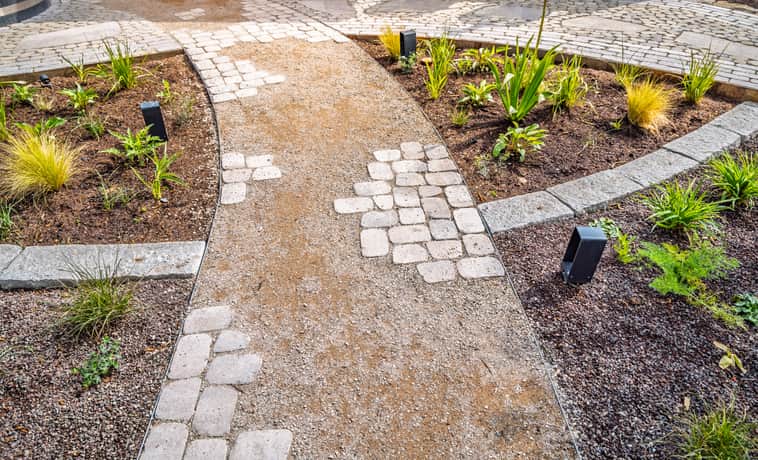
Why Your Choice of Patio and Walkway Material Matters
The materials you select define the personality and functionality of your yard. A beautifully crafted path guides guests naturally through your garden, while a solid patio anchors your outdoor furniture and activities. Beyond looks, your choice affects slip resistance, heat retention, drainage, and how well your hardscape survives seasonal freezing and thawing cycles.
Factors to Consider Before Choosing Patio Materials
It’s vital to think about your chosen patio materials before installing them. Consider the following:
- Budget – Costs vary widely between basic poured concrete, mid-range interlocking pavers, and premium natural stone.
- Intended Use – Will the surface host heavy patio furniture, a heavy stone fireplace, or high foot traffic?
- Architectural Style – Your hardscaping should complement the existing style of your home, whether it is modern, rustic, traditional, or bohemian.
- Maintenance Willingness – Are you willing to seal your patio every few years, or would you prefer a virtually maintenance-free option?
Patio Material Comparison
Our team can help you better understand patio materials. To help you find the perfect fit, here’s a breakdown of the most popular hardscaping materials:
Interlocking Stone / Pavers
Interlocking stone is a highly popular option due to its incredible versatility and durability. Available in concrete, clay, or natural stone blends, these pavers come in endless colours, shapes, and patterns to create custom concrete patio ideas. They are durable, easy to repair, and have excellent drainage. The cons include weed growth that can occur in the joints if polymeric sand is not properly maintained.
Natural Flagstone & Slate
For an organic, high-end look, natural stone is unmatched. Each piece is unique, offering rich textures and earthy tones. Natural flagstone and slate are beautiful with a timeless aesthetic. It has a slip-resistant texture and lasts a lifetime. The downsides include the expensive material and labour-intensive installation due to irregular shapes.
Poured or Stamped Concrete
A budget-friendly favourite, concrete can be poured into almost any shape and stamped to mimic stone, brick, or even wood. Poured or stamped concrete is affordable, has a seamless look, and is highly customizable. The con is that it’s prone to cracking over time, especially in climates with extreme temperature swings.
Choosing Materials Based on Climate
Your local weather should dictate your material choice to ensure longevity. Consider the following:
- Freeze-Thaw Climates – In regions with harsh winters, interlocking stone and pavers are superior. The joints between the stones allow the ground to flex as it freezes and thaws without cracking the surface. Poured concrete is highly susceptible to cracking under these conditions.
- Hot and Sunny Climates – Natural light-colored flagstone or concrete pavers stay cooler underfoot compared to dark brick or slate, which can absorb intense heat and become uncomfortable to walk on barefoot.
- Wet or Rainy Climates – Go for textured, slip-resistant stones or pavers with excellent drainage capabilities to prevent pooling water and slick surfaces.
Common Installation Mistakes to Avoid
A patio is only as good as the foundation beneath it. Avoid these common pitfalls during your patio installation:
- Poor Base Preparation – Failing to excavate deep enough or failing to properly compact the gravel sub-base leads to shifting, sinking, and uneven stones over time.
- Neglecting Drainage – Patios must be graded to slope slightly away from your home’s foundation to prevent water pooling and basement flooding.
- Skipping Edge Restraints – Without secure edging, outer pavers can get out of line and look unsightly.
Patio Maintenance Tips
A patio doesn’t require too much work. We recommend the following simple maintenance practices:
- Sweep regularly to prevent dirt, leaves, and organic debris from staining the surface.
- Wash annually with a mild detergent or a low-pressure wash to remove accumulated grime, mildew, or algae.
- Maintain the joints by replenishing polymeric sand as needed to keep weeds out and lock the pavers in place.
- Apply a sealant every three to five years to protect against stains, UV fading, and moisture penetration.
Ready to Build Your Dream Outdoor Oasis?
Kerta Construction helps transform your patio and walkways into the backyard of your dreams. Our team of experienced professionals is ready to help you select, design, and install the perfect durable outdoor surfaces tailored to your lifestyle and climate. Contact us today for a free design consultation.
Frequently Asked Questions
Is Concrete or Pavers Less Expensive?
Plain poured concrete is generally the most budget-friendly option initially. Interlocking pavers often offer better long-term value because they are easier to repair and do not crack like concrete.
How Long Does a Paver Patio Last?
When properly installed and maintained, a high-quality paver or natural stone patio can easily last 30 to 50 years.
Can I Install a Patio Myself?
While a small walkway can be a doable DIY project for a handy homeowner, larger patios require heavy excavation, precise grading, and specialized equipment. Hiring professionals ensures your patio remains level and drains properly for decades.